
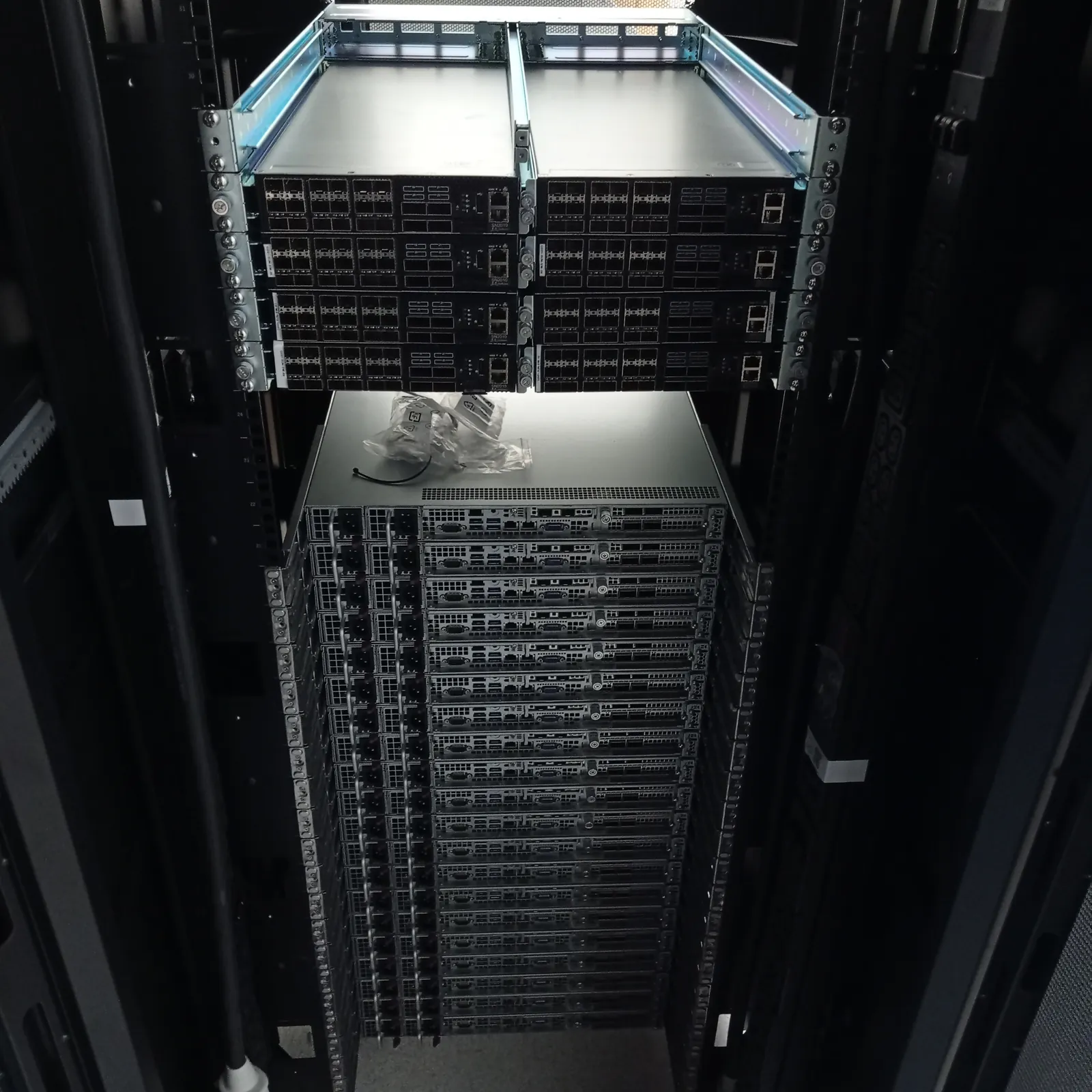
Telehouse London East, North, North Two and West share a Docklands campus address in the Uplink register, while London South has a separate Blackwall Way address. The building name belongs on every access request, courier label and work order.
Once the location is settled, the installation plan should remove physical guesswork. Rails, rack units, power feeds, patching and the acceptance test all need named owners.
Name the building, not only the campus
London East, North, North Two and West are listed at 14 Coriander Avenue. London South is listed at 1 Blackwall Way, Paul Julius Close. A shared postcode or campus name may not identify the reception desk, loading route or data hall used by your booking.
Send the full facility name exactly as it appears on the customer access record. Add the cage or suite, rack position, booking window and the name under which the engineer has been nominated.
Check parts before the engineer travels
Confirm that the server, rail kit, power leads, optics, patch leads and any rack hardware have reached the correct building. A tracking number proves delivery to a carrier, not delivery to the right customer holding area, so ask for the site-side reference as well.
Photographs of the shipment labels help the engineer find boxed parts without opening unrelated customer stock. If several identical servers are onsite, list serial numbers and the installation order.
- Server and rail-kit part numbers
- Rack position and free rack units
- A and B power outlets with connector types
- Network ports, cable types, lengths and labels
- Console or management-network acceptance check
- Packing-material and failed-part handling
Separate physical installation from configuration
The onsite engineer can mount the server, connect power, patch the named ports and confirm indicator states. Your remote team can keep control of switch configuration, IP addressing, firmware policy and operating-system changes unless the work order assigns those tasks to Uplink.
That boundary prevents a physical visit from turning into an open-ended production change. It also makes rollback clearer because each side knows which actions it owns.
Build stop points into the job
Rails that do not match, missing PDU outlets, damaged optics or an occupied rack unit should stop the installation. Define who can approve an alternative position, substitute cable or revised power route. Without that authority, the engineer should record the obstruction rather than improvise around live equipment.
For multi-device installs, agree whether work pauses after the first unit for a remote check. Proving the first power and network pattern can prevent the same mistake across an entire batch.
Ask for evidence that matches the change record
Useful handover evidence includes the installed rack position, front and rear cabling, visible asset labels and the final indicator state. The record should list every deviation from the plan and every unused part left onsite.
Uplink is independent of Telehouse. Customers retain control of access, configuration and approval while Uplink carries out the agreed onsite work on customer-owned equipment.
References
Facility names and addresses can change. Confirm the current access record with the operator before booking travel or sending parts.